📍 SHOP NO.1, GLOBALTOWER, Besides, Near Narinder Cinema, Jawahar Nagar, Jalandhar, Punjab 144001•☎ +91 9501975405•✉ studyngrow007@gmail.com•🍁 Canada Office: 822 Henderson Hwy, Winnipeg, MB R2K 2L5•⚖ RCIC Regulated Canadian Immigration Consultant (License #R710055)•⭐ 10+ Years Experience • 98% Visa Success Rate
📍 SHOP NO.1, GLOBALTOWER, Besides, Near Narinder Cinema, Jawahar Nagar, Jalandhar, Punjab 144001•☎ +91 9501975405•✉ studyngrow007@gmail.com•🍁 Canada Office: 822 Henderson Hwy, Winnipeg, MB R2K 2L5•⚖ RCIC Regulated Canadian Immigration Consultant (License #R710055)•⭐ 10+ Years Experience • 98% Visa Success Rate
🇰🇷 Study Destination • South Korea
Study in South Korea
Explore globally acclaimed universities, world-leading technology institutes, English-taught degree options and the prestigious Global Korea Scholarship (GKS). Begin your South Korean academic journey with expert guidance from Study N Grow Jalandhar.
🏛️ SKY Universities & KAIST🎓 Global Korea Scholarship (GKS)💼 D-2 Student Visa Processing⚡ 100% English Taught Degrees
* Admission, scholarship and visa outcomes depend on your profile, institution and current Korean immigration requirements.
🏛️
GKS & English Programs
Scholarships up to 100% Tuition Covered
Discover South Korea
Why Choose South Korea for Higher Education?
South Korea stands at the forefront of global technological innovation, semiconductor research, automotive engineering, creative arts, and K-culture. Korean universities feature in the top 100 globally and offer high quality education at a fraction of Western tuition costs.
Hundreds of undergraduate and postgraduate degrees are offered 100% in English. Furthermore, the Korean Government actively sponsors international students through full-ride GKS scholarships and post-study D-10 job search visas.
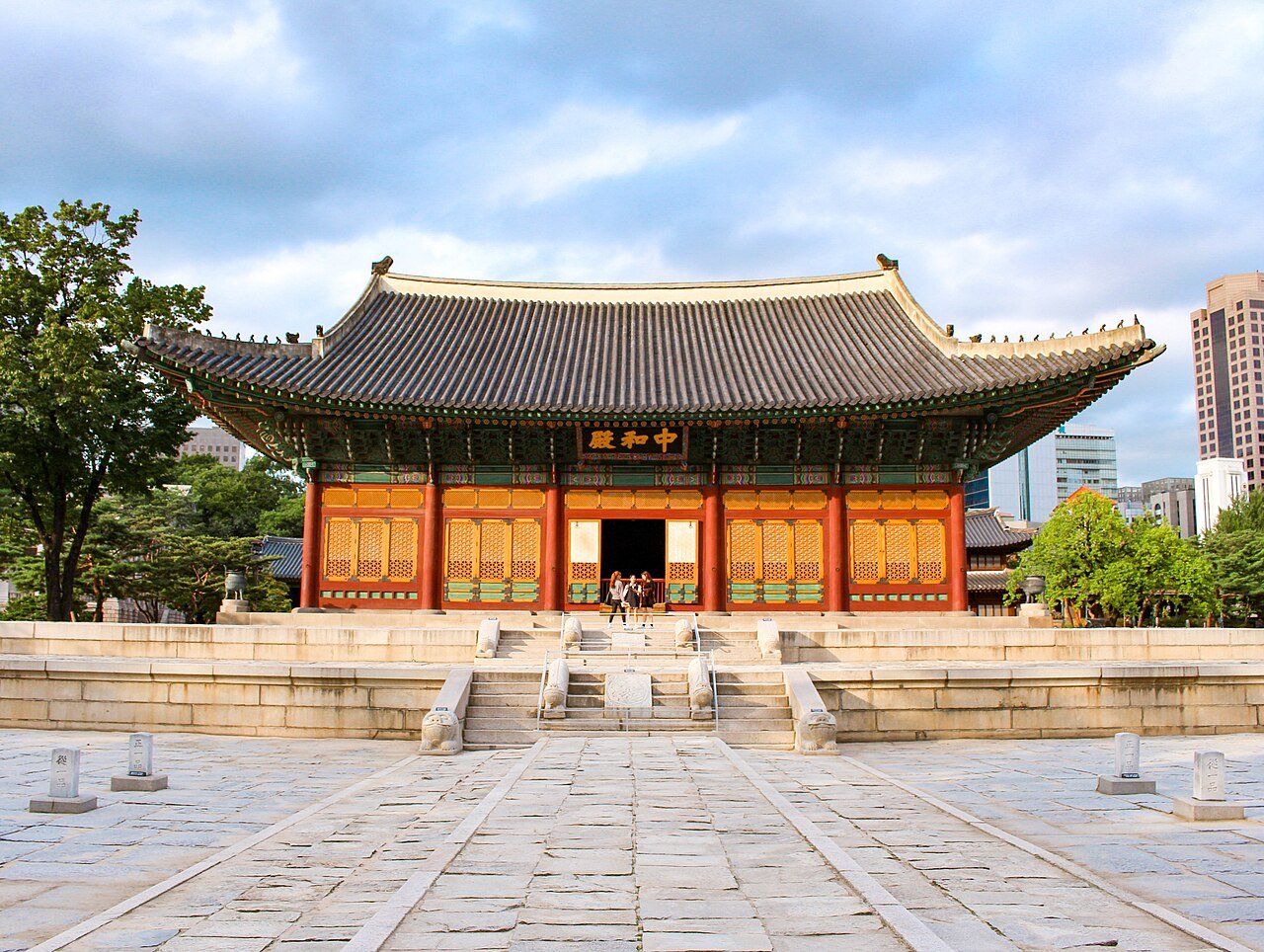
Pusan National UniversityBusan • Top Flagship National Official website →
Programme availability, campus locations and eligibility differ across departments and admissions rounds. Verify each course with our counselling team.
Choose Your Course
Popular Courses to Study in South Korea
Fields with high international demand and scholarship allocations:
01Computer Science & IT
02AI & Robotics Engineering
03Semiconductor & Electrical
04Global Business & MBA
05Digital Media & Game Design
06Biotechnology & Pharmacy
07Automotive & Mech Eng
08International Relations
09Korean Language & Culture
10Hospitality & Tourism
11Applied Physics & Materials
12Economics & Finance
Plan Your Budget
Cost of Studying & Living in South Korea
South Korea offers high living standards at costs significantly lower than the US, UK, or Australia.
Study / Expense Category
Indicative Annual Cost (KRW)
Equivalent in USD / INR
National / Public University Tuition
KRW 4,000,000 – 5,500,000 / year
~$3,000 – $4,200 (₹2.5L – ₹3.5L / yr)
Private University Tuition
KRW 7,000,000 – 9,500,000 / year
~$5,200 – $7,200 (₹4.4L – ₹6.0L / yr)
On-Campus University Dormitory
KRW 1,800,000 – 3,000,000 / year
~$1,400 – $2,300 (₹1.2L – ₹1.9L / yr)
Monthly Food & Local Transport
KRW 600,000 – 800,000 / month
~$450 – $600 (₹38k – ₹50k / month)
National Health Insurance (NHIS)
KRW 70,000 / month
Mandatory student health coverage
Affordable Education: Unlike English-speaking countries where tuition exceeds $25,000/yr, top Korean public universities cost less than $4,500/year, and university merit scholarships frequently discount 30% to 100% of tuition!
Funding Your Education
Scholarships in South Korea
Generous government and institutional funding for international students:
🎓
Global Korea Scholarship (GKS)
Full government fellowship covering 100% university tuition, return flight tickets, 1-year Korean language training, monthly living allowance (KRW 1,000,000/mo), settlement grant, and medical insurance.
🏛️
University Merit Scholarships
Awarded to incoming international students based on past GPA and English/TOPIK scores. Provides 30% to 100% tuition waivers for the first semester, renewable with good grades.
🔬
Professor / Lab Research Assistantships
Graduate students in STEM fields frequently receive full tuition waivers plus monthly living stipends paid directly from Korean university research grants.
Application Timeline
Intakes in South Korea
Two main university entry periods each academic year:
🌸
Spring Intake – March (Primary)
Official start of the Korean academic year. Applications generally open in August–October of the preceding year.
🍂
Fall Intake – September (Secondary)
Second major intake with wide English-taught course availability. Applications open in March–May.
🗓️
Korean Language Sessions
Affiliated language centres offer 4 intakes per year: Spring (March), Summer (June), Autumn (September), and Winter (December).
Visa Information
South Korea Student Visa – D-2 & D-4
Understanding Korean immigration categories:
🎓
D-2 Degree Visa
Issued to full-time students admitted to Bachelor's (D-2-2), Master's (D-2-3), or PhD (D-2-4) programs at accredited Korean universities.
📚
D-4 General Training Visa
For students studying in full-time Korean language immersion programs at university language institutes.
💼
D-10 Job Seeker Visa
Upon graduation, international students can convert to a D-10 visa to legally reside in South Korea for up to 2 years while seeking full-time employment.
Financial Documentation: Korean consulates typically require proof of bank balance of $10,000 to $20,000 (held in student or parent account) depending on whether the university is located inside or outside the Seoul metropolitan area.
Need More Information?
Frequently Asked Questions
Can I study in South Korea in English?
Yes! Dozens of top Korean universities offer degree courses taught entirely in English, particularly in Computer Science, Business Administration, Engineering, and International Studies. IELTS or TOEFL is accepted.
Can international students work part-time in South Korea?
Yes, D-2 degree students can work up to 20 to 25 hours per week during semesters (and unlimited hours during vacations) after obtaining part-time work authorization from the local immigration office. Higher TOPIK scores grant higher work hour allowances.
What are the living expenses in South Korea?
On average, living expenses (dormitory, food, public transport) range between KRW 600,000 and 900,000 per month (approx. ₹35,000 to ₹55,000 INR), making it very manageable for Indian students.
How does Study N Grow assist with South Korean admissions?
Study N Grow Jalandhar handles university selection, English-taught course matching, document apostille guidance, GKS scholarship essay reviews, Certificate of Admission (CoA) issuance, and Embassy visa filing.
Start Planning Today
Ready to Explore Study Opportunities in South Korea?
Speak with Study N Grow's international education advisors in Jalandhar. Discover affordable world-class degrees, scholarships, and thriving tech careers in South Korea.
The information on this page is for general educational guidance. Admission requirements, tuition fees, GKS guidelines, and Korean immigration rules are subject to change. Always verify requirements with the official Study in Korea portal and Korean diplomatic missions. Study N Grow provides professional advisory guidance.
South Korea Admissions
Apply for Study in South Korea
Find English-taught programs and scholarship opportunities for the upcoming intake.
Study N Grow AI Assistant
6 Top Countries • Regulated RCIC Partner
Hello! 👋 Welcome to Study N Grow.
I am your smart AI study abroad & visa advisor. How can I assist your global journey today?
Select a country or ask about universities, intakes, fees, post-study work, or visa rules:
Just now
📋 Direct Consultation
Send An Enquiry
Fill out this quick form. Our certified visa counsellors in Jalandhar & Winnipeg will assess your profile and connect promptly.
✓
Enquiry Received Successfully!
Thank you, Client. Your enquiry for Service has been submitted. Our senior counsellor will contact you shortly.
Direct Contact:+91 9501975405#1, Global Tower, Near Narinder Cinema, Jalandhar, Punjab